
Manage Your Blood Pressure Naturally Through Food
Discover how strategic nutrition choices can support healthier blood pressure levels. Learn science-backed dietary approaches from the Divinotdfg editorial team.
The information on this site is for educational purposes only and does not constitute medical advice. Always consult a qualified healthcare professional before making health decisions.
How Nutrition Impacts Blood Pressure
Potential reduction through dietary sodium management
Essential minerals and nutrients that support healthy readings
Food options proven to support cardiovascular wellness
Weeks to observe meaningful improvements with consistency
Nutrient-Rich Foods Showcase

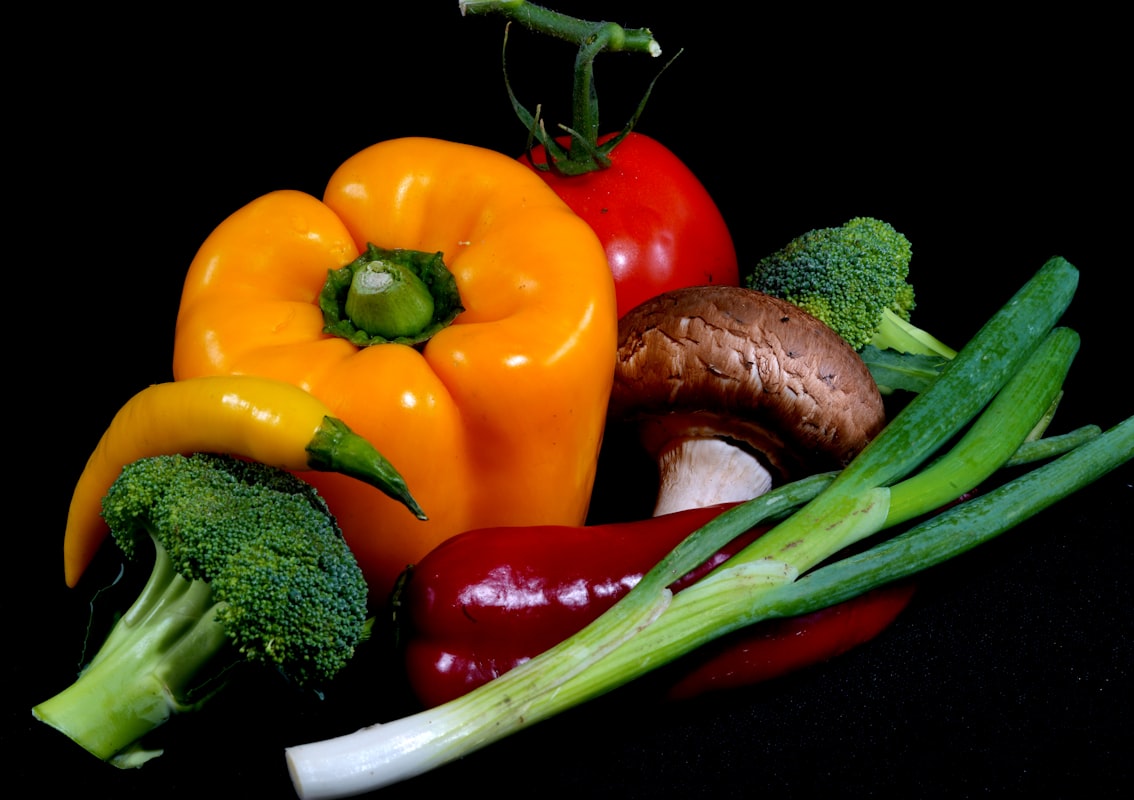
Leafy Greens & Vegetables
Spinach, kale, and collard greens provide potassium and magnesium that help regulate fluid balance and support healthy readings.

Fatty Fish & Omega-3s
Salmon and mackerel contain omega-3 fatty acids that promote cardiovascular wellness and support healthy circulation.

Berries & Antioxidants
Blueberries and strawberries are rich in polyphenols that support vascular function and overall cardiovascular wellness.

Whole Grains & Fiber
Oats and brown rice provide soluble fiber that helps maintain healthy readings through improved metabolic function.

Herbs & Spices
Garlic, basil, and turmeric provide flavor without excess sodium and offer anti-inflammatory benefits.
Nuts & Seeds
Almonds and pumpkin seeds deliver magnesium, potassium, and healthy fats that support cardiovascular wellness.
Key Nutrition Principles for Blood Pressure Management
DASH Diet Principles
The Dietary Approaches to Stop Hypertension framework emphasizes whole foods, reduced sodium intake, and balanced portions to support healthy readings through evidence-based nutritional strategies.
Mineral Balance
Potassium, magnesium, and calcium work synergistically to regulate fluid retention and vascular function, making them critical nutrients in any cardiovascular nutrition plan.
Sodium Reduction Strategy
Limiting processed foods and choosing fresh ingredients helps maintain healthy readings. Replacing salt with herbs and spices enhances flavor without negative impacts on cardiovascular wellness.
Portion Control & Consistency
Maintaining consistent meal patterns and appropriate portions supports stable readings. Regular, balanced eating habits create lasting improvements over time.
Your 4-Step Journey to Healthier Blood Pressure
Assess Your Current Diet
Review your daily food intake to identify areas where sodium is high and nutrient intake could improve. Understanding your baseline helps create meaningful changes.
Introduce Nutrient-Dense Foods
Gradually add more vegetables, fruits, whole grains, and lean proteins to your meals. This positive approach builds new healthy habits naturally.
Reduce Processed Foods
Move away from packaged items toward whole foods prepared at home. This change reduces hidden sodium and increases nutrient density dramatically.
Monitor & Maintain Consistency
Track your eating patterns and stay consistent with your new nutrition plan. Long-term improvements come from sustained commitment to these principles.
What Our Readers Are Saying
"The recipes and guidance from Divinotdfg completely transformed how I approach meals. I was skeptical at first, but seeing such practical, easy-to-follow information made all the difference. The focus on whole foods rather than restriction has been liberating, and I feel healthier than I have in years."
Siti Rahayu
Yogyakarta
"I appreciate how the content breaks down complex nutritional science into actionable steps. No overpromising, just solid evidence-based information. The mineral balance section helped me understand why certain foods matter, and I've already made meaningful changes to my daily eating habits."
Budi Hartono
Jakarta
"Finally, a source that doesn't make outrageous claims but instead gives realistic, science-backed approaches to nutrition. The recipe collection is wonderful—my whole family enjoys these meals. This has become my go-to reference for understanding food and wellness."
Dewi Kusuma
Surabaya
Why Choose Divinotdfg's Content
Evidence-Based Information
Our editorial team researches current nutritional science to provide accurate, credible guidance without overpromising or making unfounded claims.
Practical Recipes
Every recipe is designed with real kitchens in mind—using accessible ingredients and straightforward methods that anyone can follow successfully.
Community-Focused
We're built on honest dialogue with our readers. Your feedback helps us continuously improve and address the questions that matter most to you.
Transparent Approach
We clearly separate editorial content from any partnerships, and we're upfront about the limitations of nutrition as a support tool for wellness.
Common Questions About Nutrition and Blood Pressure
Most people begin noticing changes within 4-6 weeks of consistent dietary modifications. Some see shifts in as little as 2-3 weeks, especially when reducing sodium significantly. Individual responses vary based on starting point, genetics, and overall lifestyle factors. The key is consistency rather than perfection.
The DASH diet is widely recognized as suitable for most people, but individual circumstances vary. Those with specific health considerations, food allergies, or dietary restrictions should adapt the principles to fit their needs. We encourage consulting with a healthcare provider or registered dietitian for personalized guidance based on your unique situation.
Current nutritional guidelines suggest limiting sodium to around 2,300 mg daily, with some organizations recommending 1,500 mg for optimal results. The transition from a typical Western diet (which often exceeds 3,500 mg) should be gradual to allow your palate to adjust. Focus on adding whole foods rather than obsessing over exact numbers.
Nutrition is a powerful supporting factor but works best alongside other lifestyle changes like regular physical activity, stress management, and adequate sleep. Many people benefit from a comprehensive approach. If you're currently monitored by a healthcare provider, maintain that relationship while implementing dietary improvements.
Focus on reducing processed foods, cured meats, high-sodium condiments, and excessive added sugars. Rather than strict avoidance, think in terms of frequency and portions. Processed snacks, instant noodles, canned soups, and fast food are common sources of hidden sodium. Our recipes and articles provide better alternatives using whole ingredients.
Start Your Nutrition Journey Today
Access science-backed recipes, comprehensive guides, and practical strategies for supporting healthy blood pressure through food. Join our community of informed readers.